Klook, the Hong Kong experiences platform, signed Mastercard, Visa and Cloudbeds in the four weeks to 24 September 2026, putting its inventory inside two card schemes and one hotel property management system across seven Asian markets instead of paying for the demand itself.
The numbers explain the choice. Fortune reported in July that Klook booked revenue of US$407.4 million and a net loss of US$141.5 million for the first nine months of 2025, and that its November 2025 filing for a New York Stock Exchange listing sought US$300 million to US$500 million, with no updated plans announced since. Arival put gross bookings for the same nine months at US$2.3 billion, up 31% year on year. Co-founder and chief executive Ethan Lin says Klook holds under 1% of the global experiences market. A company with that much headroom and that size of loss has to stand where the traffic already flows. Here are five things Klook did that others did not.
1. It signed Visa and Mastercard in 28 days
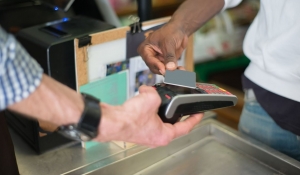
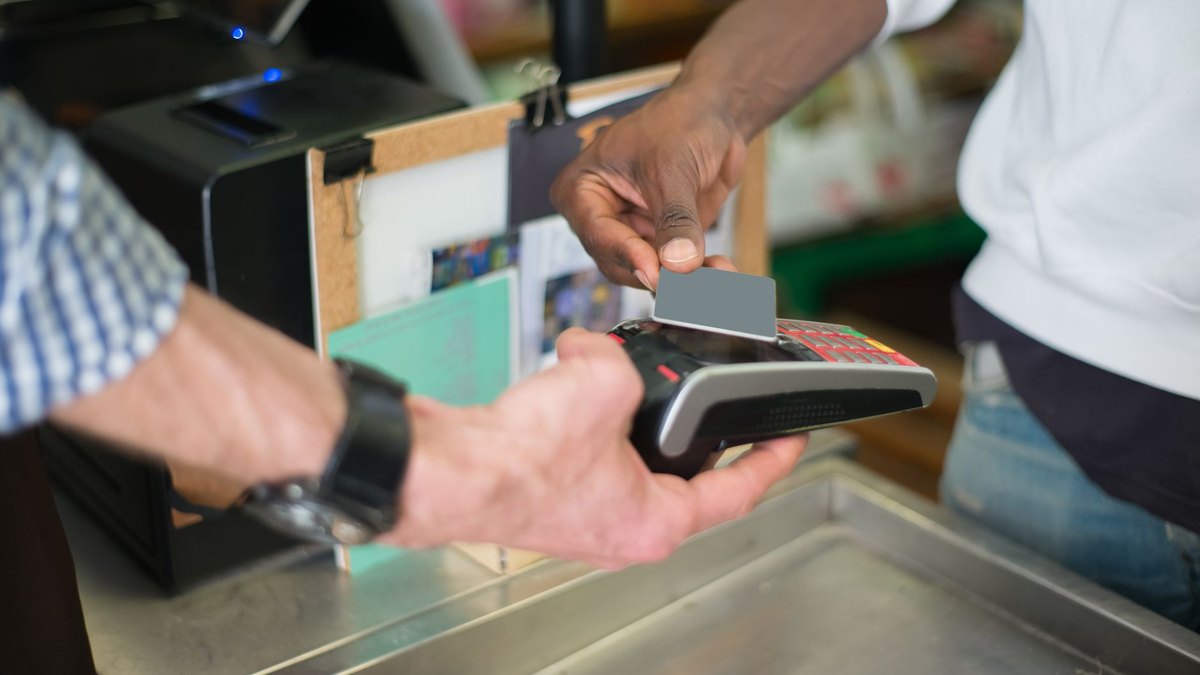
Mastercard came first, on 27 August 2026. Eric Gnock Fah, co-founder and president of Klook, and Peter Robejsek, executive vice president for market development in Asia Pacific at Mastercard, signed a memorandum of understanding built on three stated pillars: cardholder value, new travel and lifestyle opportunities, and payment innovation. Visa followed on 24 September, when Klook joined Visa Destinations as a partner platform across six South-east Asian markets. Two schemes in one quarter, with the cardholder marketing paid for by the schemes, not by Klook.
2. It gave 30,000 creators a shop, not a link
Klook’s Kreator Programme has grown past 30,000 travel content creators in 88 markets, TTG Asia reported. The Visa deal puts affiliate links from Visa’s own creators on Klook’s Kreator Shops, so the card scheme’s creators sell from a Klook storefront. Klook’s Travel Pulse 2026 supplies the reason: more than half of Asia Pacific travellers no longer begin a plan with a fixed destination, and 23% begin with one activity and choose the place around it. When nearly one trip in four starts with the activity, whoever holds the activity inventory holds the top of the funnel.
3. It wired itself into Cloudbeds both ways
On 24 September 2026 Cloudbeds and Klook switched on a two-way integration that keeps rates, availability and bookings in step for hotels in Thailand, Singapore, Hong Kong, Japan, South Korea, Malaysia and the Philippines, Hotel News Resource reported. Cloudbeds runs in more than 150 countries. Sebastien Leitner, its vice president of partnerships, described distribution as “being present where travelers are looking”. Emma Lee, VP of hotels at Klook, said Klook’s travellers book the stay together with the experiences and transport that shape the trip. A Cloudbeds hotel now turns Klook on from the system it already uses.
4. It attached demand numbers to every deal
Each memorandum arrived with the same survey. Travel Pulse 2026 found 47% of APAC consumers actively hunt for deals, discounts and bundled offers, 42% book earlier to lock in better prices, and 73% would travel to a lesser-known city for a unique event. Those three figures give a card scheme a reason to fund an offer, to fund it early, and to fund it outside the capitals. Klook is not asking partners to believe in experience-led travel. It is giving them percentages for their own board papers.
5. It kept signing supply while rivals bought demand
Klook’s newsroom lists three supply deals in the same September: a renewed partnership with the Philippine Department of Tourism on 3 September, coastal ferries with the Korea Shipping Association on 14 September, and a free shinkansen campaign with Kagoshima Prefecture on 18 September. About 80% of Klook’s customers live in Asia Pacific, and gross transaction volume from non-Asian users grew 13.4% over three years, so the supply follows the customers. Founded by Ethan Lin, Eric Gnock Fah and Bernie Xiong, with a first app in mid-2015 and unicorn status in 2018, Klook spent a decade building the inventory the schemes and Cloudbeds now distribute.
Who to watch at WiT Singapore, which opens on 30 September: the distribution sessions. Klook leaders have taken WiT stages before, and this year’s question is whether a card scheme, a PMS and an OTA now count as one channel.
Key takeaway
The one move to copy is Cloudbeds: put the inventory inside the system the partner already runs, two ways, so nobody has to leave it to sell you. A hotel group, a ferry line or a tourism board can do that without Klook’s balance sheet. We would fund the integration before the marketing budget, because a channel that costs the partner nothing to switch on is the one they leave on.