Weekly Digest: Muse books Klook, Sydney opens 24 hours, APAC at 96.3%
The week to 25 October in five stories: ITB Asia wraps, Klook joins Meta's Muse in Japan, Western Sydney opens, PATA tracks recovery, Far East joins GHA.

4 min read
Five stories changed decisions for Asia-Pacific operators in the week to 25 October: where AI agents send bookings, starting with Klook inside Meta’s Muse in Japan, a second Sydney gateway with no curfew, which source markets are growing, and which loyalty network a regional hotel group plugs into. ITB Asia in Singapore supplied the backdrop.
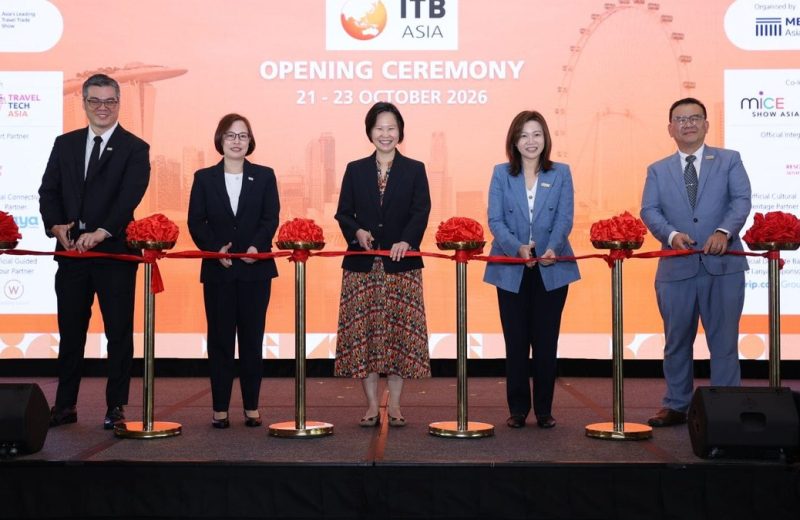
1. ITB Asia 2026 wraps with 60,000 appointments
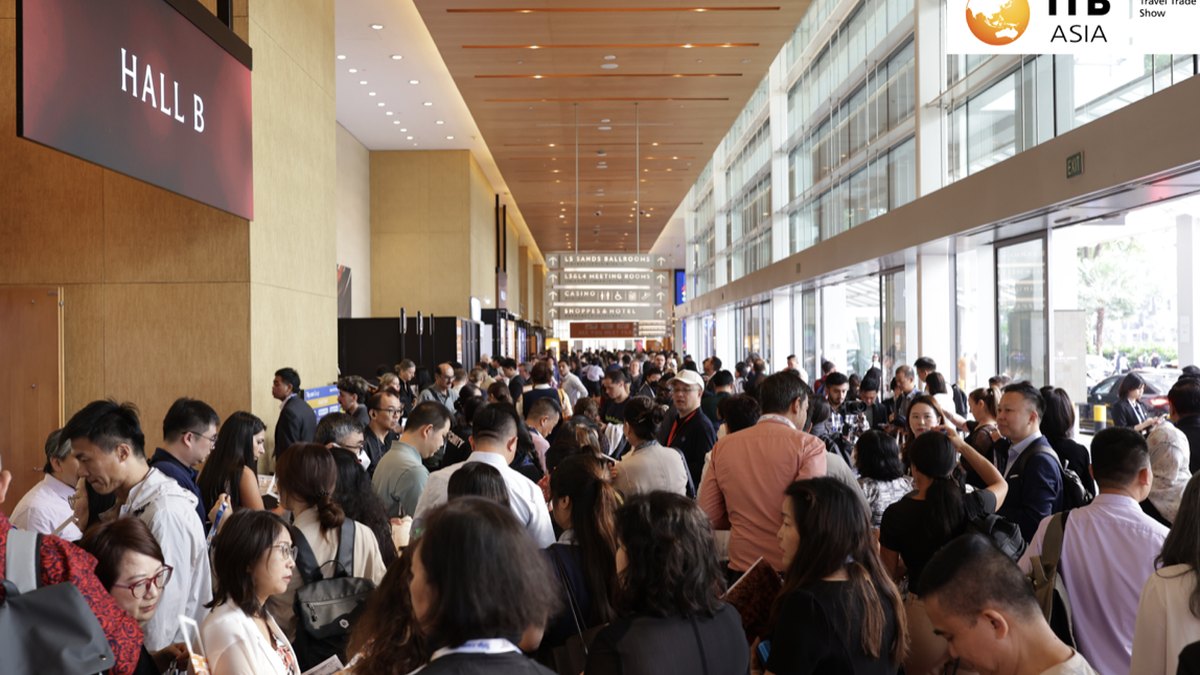
ITB Asia ran 21 to 23 October at the Sands Expo & Convention Centre, Marina Bay Sands, with more than 18,000 participants, over 1,000 exhibiting brands and more than 1,500 qualified buyers. Organisers set more than 60,000 pre-scheduled appointments, and MICE Show Asia grew 184%. Travel Tech Asia added a Hosted Buyer Programme that connects technology providers with buyers from hospitality, attractions, travel agencies and travel technology.
Why it matters: the appointment volume shows buyers came to shop, and the hosted programme gives vendors a defined route to the right buyer. Messe Berlin Asia Pacific and ASITA also signed an MoU for ITB Asia Select Indonesia, to run in Jakarta on 23 to 24 June 2027 and replace the Travel Meet Asia Jakarta brand. ITB Asia returns on 20 to 22 October 2027.
2. Klook bookings arrive inside Meta’s Muse in Japan
Klook put its inventory of 426,000 bookable experiences across more than 4,600 destinations into Meta’s Muse AI agent as Muse launched in Japan on 23 October, its first market outside North America. The agent places the order, then sends the traveller to Klook’s payment page, and it asks for confirmation before placing orders or starting payment. Muse also carries travel integrations with Trip.com and Agoda in Japan.
Why it matters: an assistant is now a booking channel in a major outbound and inbound market. Operators selling tours and activities in Japan should check how their listings read to an agent, because the agent chooses on the data it is given.
3. Western Sydney International opens with no curfew
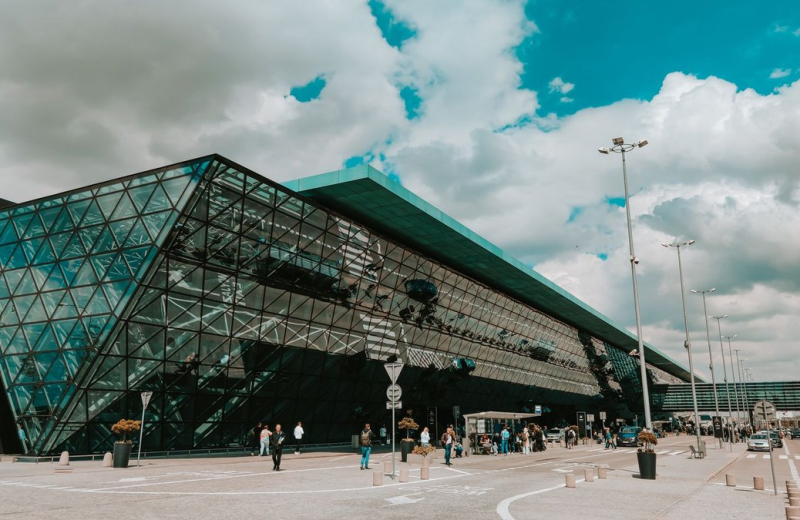
Western Sydney International Airport, built for A$5.6 billion, opened to passengers on Sunday 25 October. It operates 24 hours a day and has capacity for more than 80 million passenger movements a year, while the existing Sydney airport is limited to 6am to 11pm. Jetstar flew the first service, JQ362 to the Gold Coast, at 11:22am. Air New Zealand starts international flights from Auckland on 26 October, with Singapore Airlines (23 November 2026), VietJet (10 January 2027), Fiji Airways (19 March 2027) and Qatar Airways (15 December 2027) to follow.
Why it matters: late-night and early-morning slots are now available for Asian carriers and for cargo and tour schedules built around them.
4. PATA puts APAC arrivals at 96.3% of 2019
PATA’s Annual Tourism Monitor 2026, released on 22 October, counted 239 million international arrivals across 44 Asia-Pacific destinations in the early months of 2026. That is up 2.9% year on year and 96.3% of the comparable 2019 level, according to Travel Daily Media. The spread is wide. Vietnam had 12.3 million arrivals, up 14.9% and at 144.5% of 2019. South Korea had 10.7 million, up 21.4% and at 128.4% of 2019. Thailand fell 4.9% to 15.9 million.
Why it matters: recovery is uneven, so a regional average hides the markets where demand is rising fastest. Budgets and sales calls belong where the growth is.
5. Far East Hospitality joins Global Hotel Alliance
Far East Hospitality joined Global Hotel Alliance, adding 26 hotels and serviced residences across Singapore, Malaysia and Japan, 6,212 rooms in all, to GHA DISCOVERY in early 2027. The programme has more than 38 million members, as Travel Weekly Asia reported.
Why it matters: a mid-sized regional group gains a ready-made loyalty base without building its own, and independent operators weighing a network now have a fresh example of the trade-off.
Also on the desk
Visa and the Singapore Tourism Board signed a three-year MoU on 22 October. Singapore joins Visa Destinations from November, and Visa data shows repeat visitors spend about four times more than first-timers. At ITB Asia, Yanolja Cloud Solution, formerly eZee Technosys, demonstrated an AI Concierge that runs check-in, room service and payments through agents tied to its PMS, and says it serves more than 33,000 hospitality businesses in 170+ countries. Access Hospitality showed its Access Evo platform and cited a survey in which 89% of hospitality tech decision-makers said the number of systems their teams use rose over the past year.
Key takeaway
Agents, airports and loyalty networks all moved distribution this week, and each rewards the operator who prepares first. We would make sure inventory data is clean enough for an AI agent to read, set sales targets on the fast-growing source markets rather than the regional average, and plan Sydney schedules around the new 24-hour gateway.
Topics in this story
Sesh Seshadri
Editor and Head of Partnerships
Subrahmanian Seshadri (Sesh) is a publishing and travel-content veteran with five decades of experience. As the former Director and General Manager of Lonely Planet India, he played a pivotal role in its entry starting in 2012. His career spans Oxford University Press, Dorling Kindersley and digital content, bringing expertise across travel, publishing, and technology.
More from SeshHave a story Sesh should see? Write to editor@travhq.com.