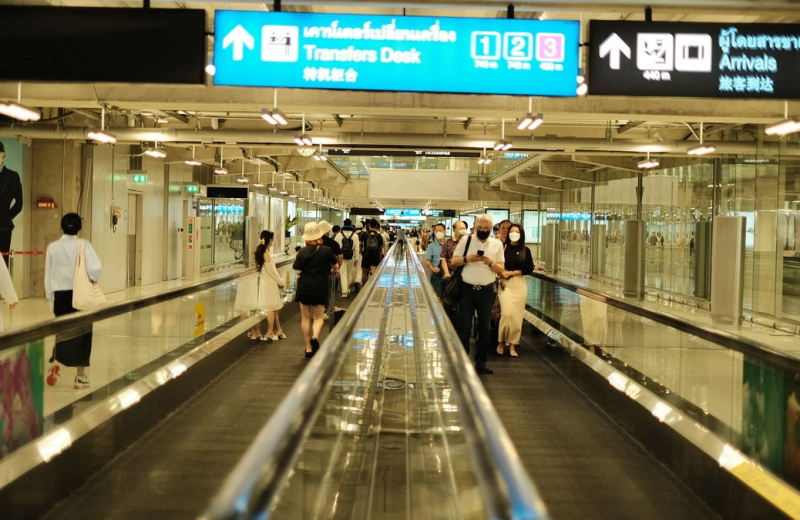
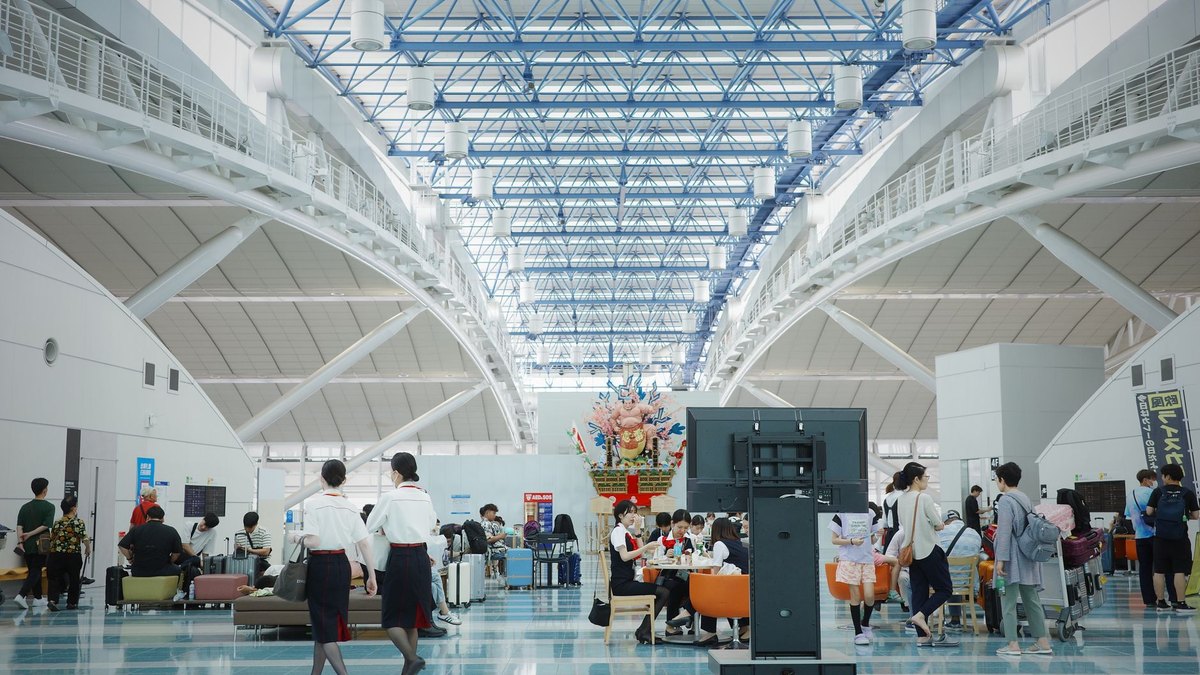
Ocean, a Tokyo startup founded in 2024 by Ryo Hoshino, has raised about ¥500 million in a Series A for its Ocean Tax Refund service, which shops use to process tax-free sales to foreign visitors. The round closes eleven days before Japan changes how tax-free shopping works, on 1 November 2026.
How it started
Hoshino set up Ocean in Tokyo two years ago, and the company is built around a reform that was already on the calendar. Under the current system, visitors get the tax taken off at the till. From 1 November, they pay the full price, tax included, and declare their goods at customs within 90 days of purchase to claim the money back. The ¥5,000 minimum purchase stays. The ¥500,000 cap on consumables and the sealed-packaging rule are gone.
That shifts the cash. Refunds are handled by the shop or a contracted service, and card refunds can take one to two weeks while bank transfers take two to four. A retailer accounting guide published by Beancount adds that there is no grace period: shops hold the collected tax from day one and pay it out weeks later, once export is confirmed. It is a secondary source, but it describes the cash gap shops will carry.
What it looks like
Ocean Tax Refund reads passports by OCR, collects refund and sales data automatically and plugs into shop POS systems. It pays refunds in more than 30 currencies and works inside apps, websites, WeChat mini-programs and LINE MINI apps. Travellers can receive their money by bank transfer, credit card, QR payment or PayPal.
Japan’s National Tax Agency has authorised Ocean as a tax-free approval transmission operator. Children’s clothing brand Miki House installed the system before the reform. Ocean says merchants across the country have applied and major retailers have adopted it, and that it works with inbound tourism companies and regional financial institutions. No store count has been disclosed.
The business
Shops pay no initial or monthly fee. Ocean bills its system usage fee to the traveller, so the operator is paid out of the refund the visitor receives.
No one sets that rate. According to the Tourism Agency FAQ says summary, the consumption tax law contains nothing on how refunds must be carried out or who pays the operator’s commission. The government has not capped the charge, and operators decide what they take.
The round closed in two stages. On 15 September 2026, existing investors Z Venture Capital, Delight Ventures and Bluefin Partners put in more money alongside new investors Japan Asia Investment, H.I.S. and ZUU Funders (through the ONE-JAPAN Tourism Fund), plus Dual Bridge Capital. BRIDGE reported on 13 October that the second close went to KURONEKO Innovation Fund No. 2 and Shizuoka Capital. Global Brain manages KURONEKO No. 2, with Yamato Holdings as a limited partner. Shizuoka Capital is the investment arm of Shizuoka Financial Group.
For a company two years old, the investor list spans a logistics group, a travel agency, a regional banking group and three venture funds that backed it earlier.
The next twelve months
Ocean’s volume depends on arrivals, and arrivals are soft. JNTO counted 3.1 million visitors to Japan in August 2026, down 9.6% year on year. January to August totalled 27.6 million, down 2.7%. Southeast Asia fell on reduced flight capacity, and China stayed weak under Beijing’s travel warning. With fewer visitors claiming refunds, the fee per claim carries more weight for operators and shops alike.
The first test arrives within weeks. Every visitor who shops from 1 November pays full price at the register and then waits for the money. Hotels will field the questions at the front desk, airlines at the gate and OTAs in post-booking messages.
Key takeaway
This is a distribution question as much as a tax one. Whoever runs the refund decides what the traveller keeps, and with commissions uncapped, a DMC, OTA or hotel group selling Japan should find out which operators its partner shops use and what they charge. WTM London runs 3 to 5 November, a few days after the switch, which gives Japan-bound operators a ready reason to put refund timing and fees into their pre-arrival messages now.
Raising, launching or scaling a travel startup? Pitch it to TravHQ. Pitch it to TravHQ.
Topics in this story
The TravHQ newsletter
Know what moves travel.
We write regularly for the people who build, fund and run travel.
- The stories we follow, as they develop
- Travel-tech funding rounds and event coverage
- Free long-form reports as they publish
You are subscribed to the TravHQ newsletter.