KKday and JR East Make Tohoku Bookable After US$70m Raise
KKday and JR East are bringing Tohoku operators online with rail-pass bundles, and a white-label channel for partners is next, after a US$70m raise.

4 min read
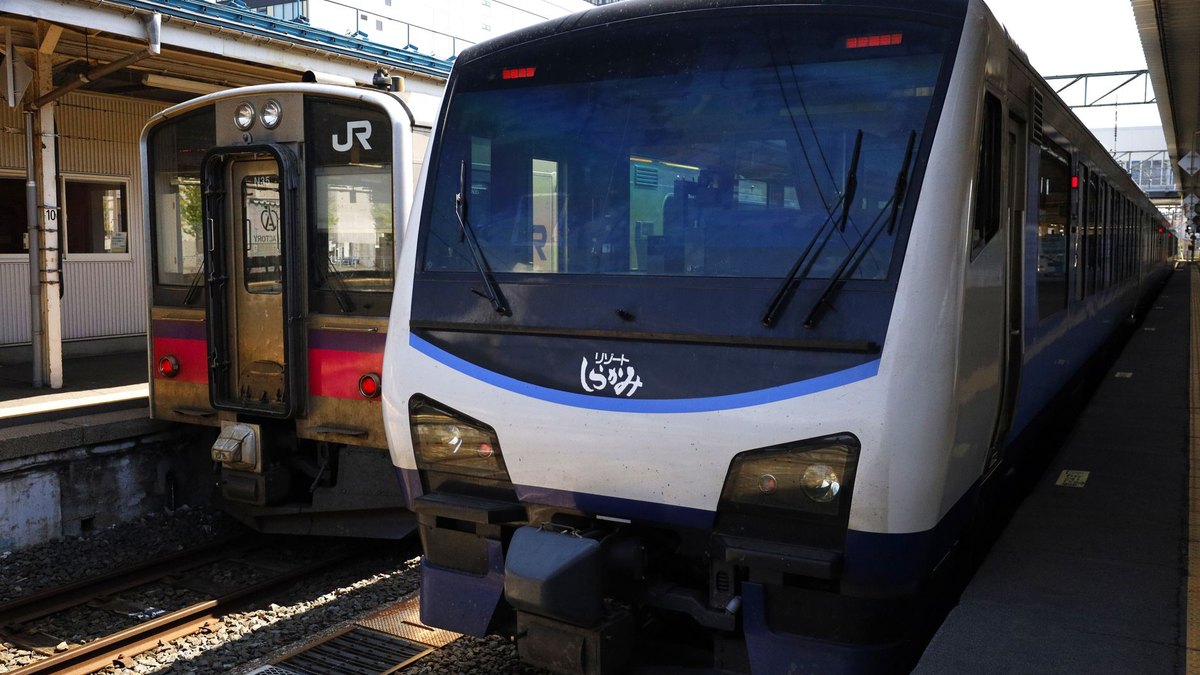
KKday, the Taipei-founded activities marketplace that raised about US$70 million in December 2024, is now putting that capital to work with JR East in one of the hardest corners of Japanese travel: small regional operators who have never sold to overseas visitors online. Founded in 2014 by Ming Chen, the company has made Tohoku and Niigata its test case for inbound tourism.
The model has three parts. KKday helps local operators get online, bundles their activities with JR East rail products, and plans to sell them through partners’ own websites and apps.
How it started
KKday was founded in Taipei in 2014 and bought Activity Japan in 2021, which gave it a domestic base in Japan. The Japan branch, led by branch head Kimiharu Obuchi, now runs two parallel priorities: outbound products for Japanese travellers and promotion of regional Japan to inbound visitors, as Obuchi described in an interview with WING Travel.
On 28 April 2026, JR East and KKDAY JAPAN signed a business alliance announced for inbound tourism in East Japan. The alliance names two problems: a shortage of local experience products, and the multilingual and payment set-up that small operators need to reach overseas independent travellers directly.
How KKday and JR East bring Tohoku operators online
JR East uses its regional network to find local experiences. KKday supplies hands-on digital support, including multilingual content and system adoption, so that operators can sell on the KKday app.
The two partners then sell bundles that pair regional content and JR East group assets with JR tickets and rail passes. KKday’s global sales network promotes East Japan, with Tohoku the stated focus.
The support extends to the room. JR East and KKday are running free “inbound from zero” seminars for local operators. The Niigata session is on 10 November 2026 at Hotel Global View Niigata, with capacity for 30. Speakers are KKDAY JAPAN regional promotion manager Shinya Sasaki and Mitsuhiro Sugiyama, COO of Yukiguni Kankoken, who has driven the area’s DMC business. A Yamagata seminar follows on 30 November 2026 at Yamako Hall, with Takashi Sumi, vice-chair of the Yamagata Arcadia Tourism Bureau, speaking.
The business
The demand side is moving. Miyagi recorded 99,590 foreign guest nights in August 2026, up 29.8% year on year, and Akita recorded 20,260, up 60.5%. The regional share of foreign guest nights rose from 33.2% to 35.9%.
KKday’s back end is built for the small operator. Its B2B system rezio gives small tour operators real-time inventory and dynamic pricing. rezio connects merchants by API to Activity Japan, Google, KKday, Viator and GetYourGuide, so they can manage all OTA bookings in one system. KKday also has integrations with Viator, GetYourGuide, Agoda and Google Things to Do, and partnerships covering about 10,000 Jalan accommodations and 42,000 Tabelog restaurants.
The December 2024 round came from investors including Cool Japan Fund, Taiwan’s National Development Fund, ZUU & De Capital Fund, CHBVC and Darwin Ventures, plus credit lines. A significant share was earmarked for APAC M&A.
The next twelve months
In an interview published this week, published on 4 November 2026, KKday’s Japan team said it wants to contract more overseas excursions for Japanese travellers directly with local operators, while still buying through KKday’s international network, which it says helps it compete on price.
The same interview described plans to make more activities available through partners’ websites and apps, including under those partners’ own brands. For a hotel group, airline or OTA, that points to a white-label channel where KKday supplies the inventory, the operator onboarding and the booking system, and the partner keeps the customer relationship and the brand.
The seminar calendar gives the near-term test. Niigata on 10 November and Yamagata on 30 November will show how many operators sign up after the sessions. The speaker lists, which pair a KKday promotion manager with DMC and tourism bureau figures, show who KKday sees as the local gatekeepers.
Key takeaway
The scarce asset in regional Japan travel is not demand but bookable, translated and bundled supply. We would watch for operators and tourism bodies that fix that layer first, and for OTAs and hotel groups to ask what a white-label feed from a platform like KKday would do for their own packages around rail passes and regional stays.
Are you a travel startup founder? Pitch your story to TravHQ right now. Pitch it to TravHQ.
Topics in this story
Sanjita Mazumdar
Guest Editor & Marketing Lead
Sanjita Mazumdar brings a strong foundation in publishing, editorial thinking and content-led communication to her role as Guest Editor & Marketing Lead at TravHQ. Her professional experience includes working with PageMajik, where she has been involved in the publishing ecosystem and the development of solutions that help publishers identify, evaluate and bring valuable content to market. At TravHQ, Sanjita will contribute to editorial initiatives and marketing efforts focused on the evolving travel and tourism landscape. She looks forward to helping surface compelling stories, amplify industry perspectives and strengthen engagement with the people and businesses shaping travel technology, digital innovation and tourism across Asia-Pacific and beyond.
More from SanjitaHave a story Sanjita should see? Write to editor@travhq.com.