Delta free Wi-Fi on transpacific flights needs a SkyMiles login
Delta's free Wi-Fi on transpacific flights comes with a SkyMiles sign-up and a Korean app, weeks after Korean Air and Asiana went free on Starlink.

4 min read
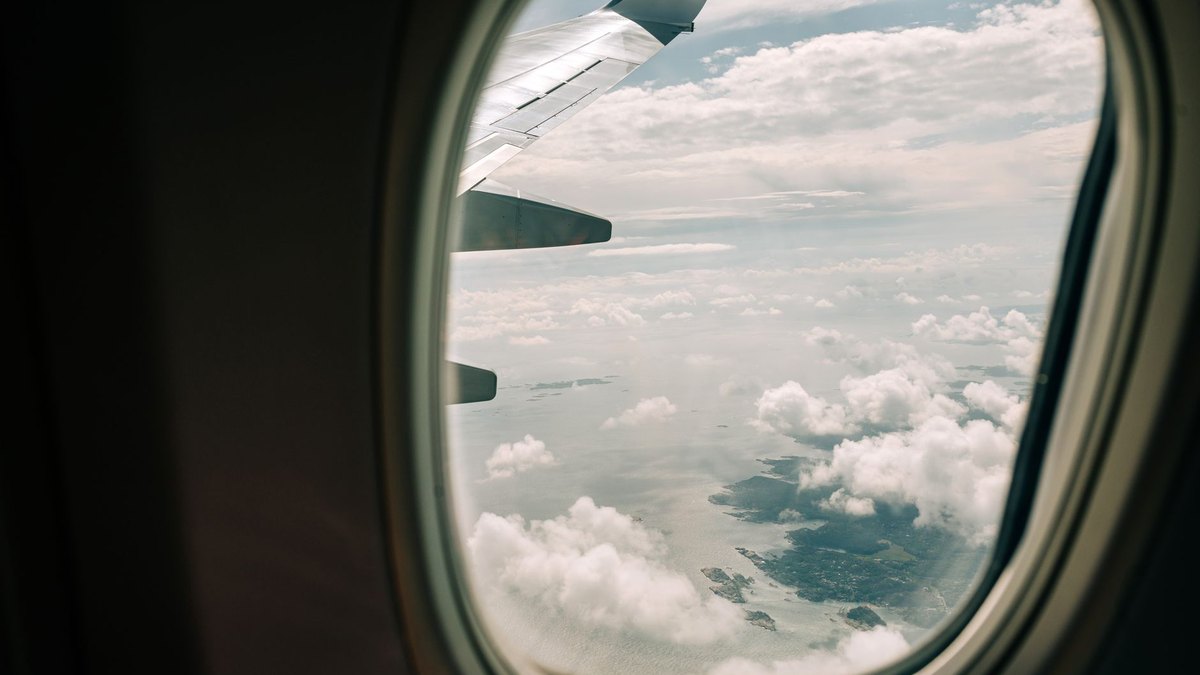
Delta Air Lines announced on 2 November 2026 that it is extending free Wi-Fi on transpacific flights to its Asia-Pacific routes and launching a Korean version of its Fly Delta app, Seoul Economic Daily reported. The service, Delta Sync Wi-Fi, is provided with T-Mobile and links the US with Asia-Pacific markets including South Korea.
The Wi-Fi is free, but not anonymous. Access requires signing up to SkyMiles, which is free to join. Passengers can browse, use social media and stream video on their own devices, according to The Herald Business. The login is the price of entry.
What Delta’s free transpacific Wi-Fi includes
Delta received regulatory approval to extend Delta Sync Wi-Fi across trans-Pacific routes in October, and the rollout is expanding route by route over the following weeks. Jeff Moomaw, Delta’s vice president for Asia-Pacific, said free internet is now available on all of the airline’s international flights.
The scale behind that claim is large. About 1,300 Delta aircraft have Wi-Fi, more than 95% of the fleet, and Delta says it is the only US-based global airline offering free Wi-Fi across international routes on six continents. The Pacific was the last gap. Delta introduced free Wi-Fi on US domestic flights in February 2023 and on trans-Atlantic flights from summer 2024. It first targeted the Pacific for mid to late 2025, and the date slipped until regulatory approval arrived in October 2026.
Delta Sync carries partner content including The New York Times, The Wall Street Journal, Paramount+ films and series, and live sport such as Formula 1 via Sport 24.
The app and the AI concierge
The Wi-Fi arrives alongside a relaunched Fly Delta app. It handles search and booking, check-in, mobile boarding passes, real-time flight status, baggage tracking, changes, cancellations and SkyMiles services. The Korean version follows the English one.
SkyMiles members can also use Delta Concierge, an in-app AI chatbot, for disruption support, cancellations, checked-bag questions and eCredit checks. Korean-language support has been added for key enquiries. The pattern is clear: a free login brings a passenger into the app, and the app is where service, rebooking and loyalty sit.
Korean Air Starlink Wi-Fi: the Korean carriers got there first
Delta is not the first to make Pacific connectivity free for Korea-bound travellers. Korean Air and Asiana have offered free Starlink Wi-Fi in every cabin since 15 September 2026. Korean Air runs it on three A350-900s and one 777-300ER. Asiana runs it on nine A350-900s and one A330-300. Both plan fleet-wide coverage by the end of 2027.
Until each aircraft is retrofitted, Korean Air’s existing paid Wi-Fi still applies on the rest of the fleet. Business Traveller reported prices from US$4.95 for a full flight on domestic routes up to US$20.95 on long-haul. A passenger on the same route can therefore find free Wi-Fi on one aircraft and a paid tier on the next.
The same report says Hanjin has committed Korean Air, Asiana, Jin Air, Air Busan and Air Seoul to Starlink. Singapore Airlines and Cebu Pacific plan Starlink rollouts from 2027. Delta has partnered with Amazon Leo for connectivity from 2028.
Who this hits
Airlines: any carrier still charging for Wi-Fi on transpacific routes now competes with two free offers on the same corridor, one tied to a loyalty login and one on Starlink with no stated sign-up condition. Delta’s model also changes what the connectivity budget is for. It is a customer-acquisition cost, with SkyMiles enrolment as the return, rather than a line of ancillary revenue.
OTAs: a passenger who is already signed in to an airline app has less reason to open a third-party booking app mid-journey for changes, baggage tracking or cancellations. Delta’s app now covers those tasks in Korean.
Hotels and DMCs: guests will arrive in Seoul having been online for the whole flight, with itineraries, messages and bookings already handled. Pre-arrival communication that waits for landing is slower than the traveller.
Key takeaway
APAC airline commercial and digital heads should test a free, login-gated Wi-Fi tier on their busiest transpacific rotation now, and measure loyalty sign-ups per flight against the lost Wi-Fi revenue. Carriers whose Starlink retrofits are already under way, such as the Hanjin group, can compete on speed and coverage, and those with retrofits still to come should settle their pricing before 2027. OTAs and hotels can wait on any action, but should assume transpacific guests are reachable in the air.
Topics in this story
Daksh Sharma
Chief Editor, TravHQ
Daksh Sharma is a travel tech enthusiast and a prolific voice in the B2B travel industry. A speaker at numerous travel-tech events, he is at the forefront of digital and AI adoption in travel. He conducts AI training and implementation programmes and works as a digital advisor to a number of global B2B brands.
More from DakshHave a story Daksh should see? Write to editor@travhq.com.