EU airports and airlines file six-point fix for EES border queues
Airports and airlines say Schengen border waits hit five hours at peak. A senior Commission official signals flexibility ahead of 4 November.

4 min read
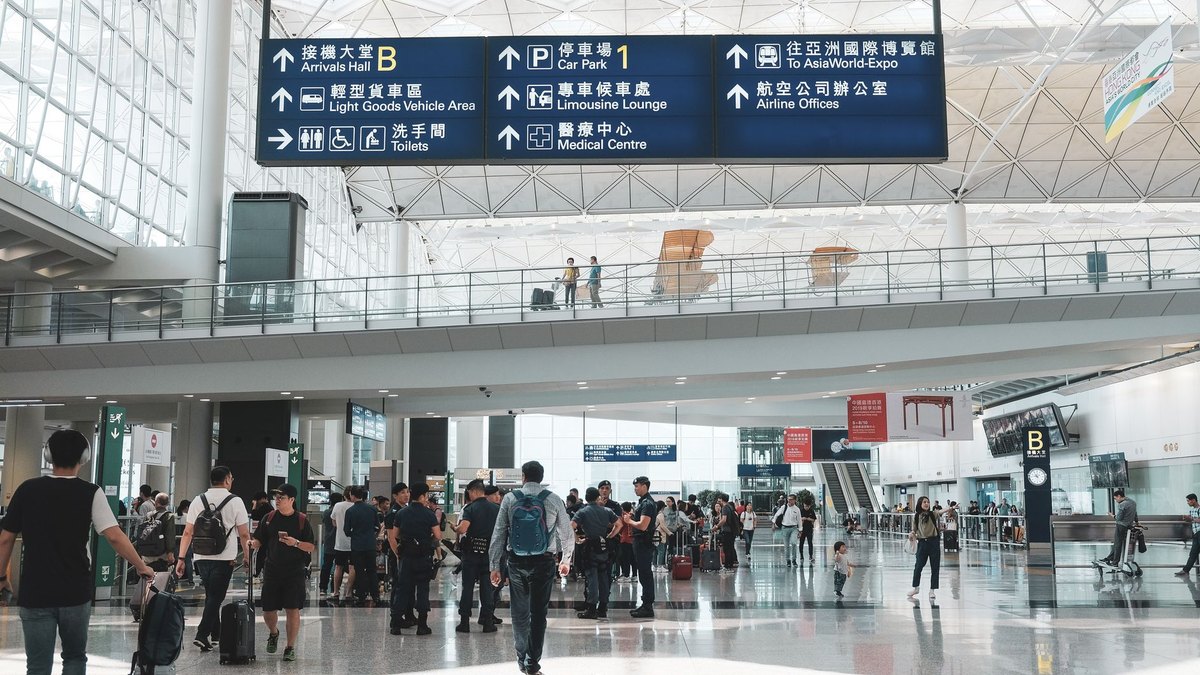
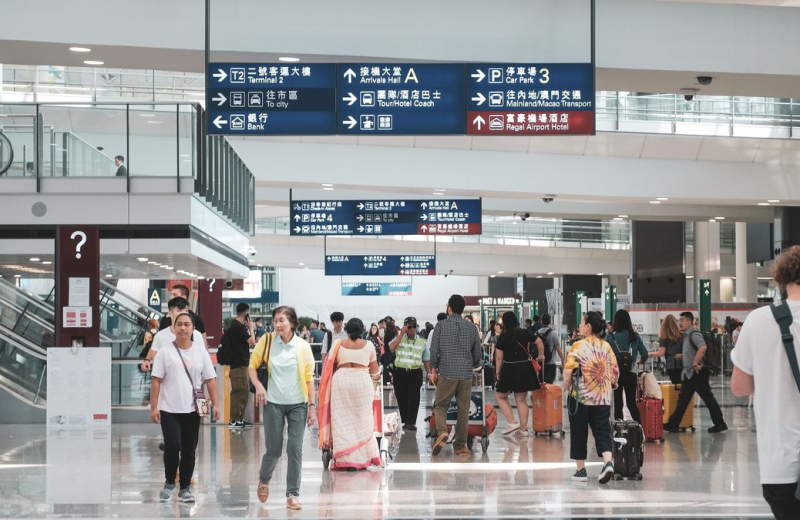
Europe’s airports and airlines have filed a six-point plan to fix long queues under the EU Entry/Exit System (EES), the biometric border scheme that has now been fully live for six months. ACI EUROPE, the airport trade body, and Airlines for Europe (A4E), the airline lobby, say waits at Schengen hubs reach up to five hours at peak times, according to Travel Tomorrow’s report.
The two groups name five causes: thin border staffing, unstable IT, too few kiosks, too few automated gates, and a weak “Travel to Europe” pre-registration app.
At Skift’s Transatlantic Summit in Dublin, a senior European Commission official said “there will be some further flexibility” at the border, as Skift reported on Thursday. The official gave no detail on what form it would take.
Six fixes for EES border queues
The plan asks the EU to do six things:
- End double verification of travellers.
- Optimise biometric checks.
- Prevent duplicate EES profiles.
- Upgrade the Travel to Europe app and portal.
- Speed up and harmonise automated border control for non-EU nationals.
- Restore partial suspension of EES when waits are excessive.
The last item is the one operators will watch. It asks for a way to ease the checks when queues grow too long, rather than running the full process regardless of the wait. The first three target the process itself: the same traveller checked twice, checks that take longer than they need to, and duplicate profiles on the system. The fourth and fifth target the equipment and software that travellers meet before and at the booth.
“No longer a teething problem”
Olivier Jankovec of ACI EUROPE and Ourania Georgoutsakou of A4E were direct. “This is no longer a teething problem,” they said.
The line answers the view that long queues are a short-term cost of a new system. Six months after full launch, the two groups point to staffing, IT stability and equipment numbers as the problems, all of which need decisions and money rather than time.
EU Migration Commissioner Magnus Brunner said member states are responsible for implementation. That places border staffing, kiosks and gates with national governments and airport border authorities, not with Brussels. The Commission’s signal of flexibility therefore leaves open how much will change at each airport, and how fast.
Who EES border queues hit in APAC
Every Indian, Chinese, Japanese, Korean and Southeast Asian traveller entering Schengen goes through EES. For these travellers, a border wait of several hours falls at the end of a long-haul journey, and any plan built around the arrival time depends on it.
Airlines carry the first exposure. A long queue after landing puts onward connections inside Europe at risk, and passengers who miss them tend to blame the carrier rather than the border authority. Airlines flying APAC passengers into Schengen hubs have reason to allow longer connection windows and to brief passengers on likely waits before they board.
Outbound agents and OTAs carry a different risk. A tour that books a coach transfer, a guided visit or a hotel check-in soon after landing assumes a normal arrival. A queue of up to five hours breaks that assumption, and the refund and complaint requests land on the seller.
European destination management companies that receive APAC groups feel it from the other side. Drivers and guides waiting at arrivals, and hotels holding rooms, bear the cost of delays they do not control. Hotels should expect late check-ins from long-haul arrivals when the airports are at their busiest.
When it reaches APAC operators
It already has. Travellers from APAC are going through EES now, and the waits the airport and airline groups describe are current. The next date to watch is 4 November, when the Commission is due to publish its tourism strategy. It is the first likely place for the promised flexibility to take a concrete form.
WTM London runs from 3 to 5 November, the day before. Europe’s border and inbound recovery will be on stage there, so operators attending can put questions to airport, airline and tourism board speakers directly.
Key takeaway
We see this as a planning problem for APAC sellers today. Airlines and outbound agents should lengthen connection buffers, tell customers to expect multi-hour border waits at peak times, and avoid tight same-day commitments on arrival in Schengen. The 4 November strategy is the date that shows whether flexibility becomes a rule change. Operators can wait for it before changing product, but not before changing what they tell customers.
Topics in this story
Sesh Seshadri
Former Director and General Manager, Lonely Planet India
Subrahmanian Seshadri (Sesh) is a publishing and travel-content veteran with five decades of experience. As the former Director and General Manager of Lonely Planet India, he played a pivotal role in its entry starting in 2012. His career spans Oxford University Press, Dorling Kindersley and digital content, bringing expertise across travel, publishing, and technology.
More from SeshHave a story Sesh should see? Write to editor@travhq.com.