YOTEL’s secret sauce: 5 moves behind its Hilton-backed Asia push
YOTEL kept its brand in its Hilton deal and opened Bangkok with 250 keys. Five moves behind a 24-hotel brand aiming to triple in size.

3 min read

YOTEL runs 24 hotels worldwide and aims to more than triple that portfolio, with Asia Pacific a priority region, TTG Asia reported in October. The YOTEL Hilton agreement sits at the centre of that plan, and the brand has grown without handing itself to a larger group.
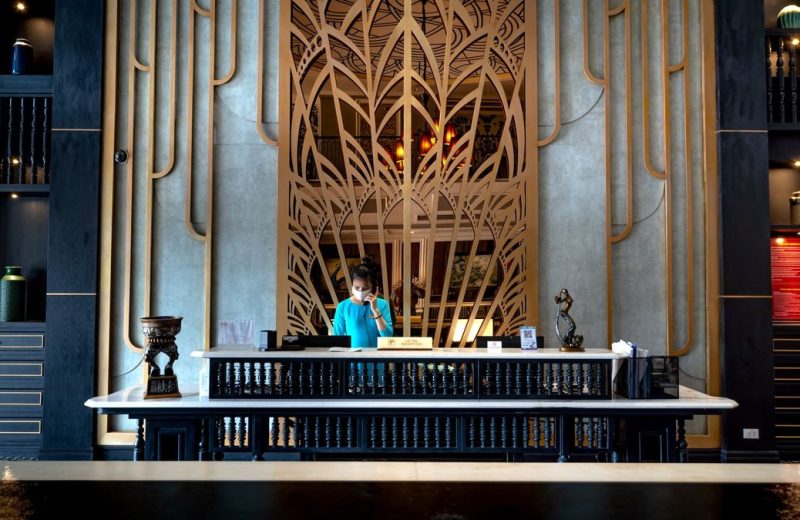
The latest proof is Bangkok. YOTEL Bangkok Sukhumvit opened on 15 October 2026 with 250 keys inside Cloud 11, a creative-industries complex backed by more than THB 20 billion. It is YOTEL’s 24th hotel and its fourth in Asia. Here are the five moves behind the growth.
1. YOTEL’s Hilton deal kept its own brand and management
In March 2026 YOTEL became the first brand in the newly created Select by Hilton. The Hilton announcement says it keeps its own identity and management while linking to Hilton Honors and Hilton’s distribution.
Most chain deals ask an independent brand to give up the thing guests recognise. This one leaves the name, the room design and the operating team untouched. For hotel owners weighing a franchise or a soft-brand offer, that is the benchmark to ask for.
2. It plugged into Hilton’s platforms quickly
Eleven YOTEL hotels have completed integration onto Hilton’s platforms, Breaking Travel News reported, including YOTEL Bangkok Sukhumvit. More are due by the end of 2026, which is under a year after the agreement was announced.
Speed matters because loyalty and distribution only pay once a hotel is bookable and earning points. A brand that can switch on a new property in weeks gives owners a faster return. OTAs should note that a hotel inside a big loyalty programme gets more direct bookings.
3. It priced and built small rooms for the city
Rooms at YOTEL Bangkok start from THB 1,800, about US$55 a night, Business Traveller noted. Self-service check-in takes under a minute and robots deliver water and towels.
The model keeps labour low and space tight. YOTEL Singapore Orchard Road, the brand’s first Asian property, opened in 2017 with 610 cabins over 30 floors. Dense, efficient rooms in expensive cities leave room for margin that larger rooms cannot match.
4. It sold sleep, not square metres
In YOTEL’s own 2025 research, one in three guests said they chose the brand for sleep quality. That is a clear promise a small room can keep.
Many compact hotels compete on price alone. YOTEL gives guests a functional reason to pick a smaller room, which supports the rate. Airlines and OTAs selling short urban stays can use the same reasoning when they position budget-friendly city inventory.
5. It grows through gateway cities and flexible supply
YOTEL Kuala Lumpur City Centre is scheduled for early 2027. That takes the Asia portfolio to five hotels alongside Tokyo Ginza, Singapore Orchard Road and YOTELAIR Singapore Changi. Each sits in a city where travellers arrive in volume.
The brand is also considering new builds, conversions and adaptive reuse across YOTEL, YOTELPAD and YOTELAIR. Conversions shorten the path to opening and let owners with ageing buildings join the brand. The airport format reaches transit travellers that airlines already carry.
Key takeaway
The lesson for independent hotel brands is to negotiate loyalty and distribution access without surrendering identity or operations. We would copy the order of YOTEL’s moves: a tight product, a clear reason to choose it, then a big-chain channel to fill it. Owners and operators in APAC should ask any prospective partner whether they can keep their brand and management, and how quickly their hotels will be live on the partner’s platforms.
Topics in this story
Sesh Seshadri
Editor and Head of Partnerships
Subrahmanian Seshadri (Sesh) is a publishing and travel-content veteran with five decades of experience. As the former Director and General Manager of Lonely Planet India, he played a pivotal role in its entry starting in 2012. His career spans Oxford University Press, Dorling Kindersley and digital content, bringing expertise across travel, publishing, and technology.
More from SeshHave a story Sesh should see? Write to editor@travhq.com.