SPUN, an Indonesia visa startup, sells 400+ visas on US$1.8M
SPUN, an Indonesia visa startup founded in January 2024 by Christa Sabathaly and Dilla Anindita, has raised US$1.8M and treats the visa as step one of the trip.

4 min read
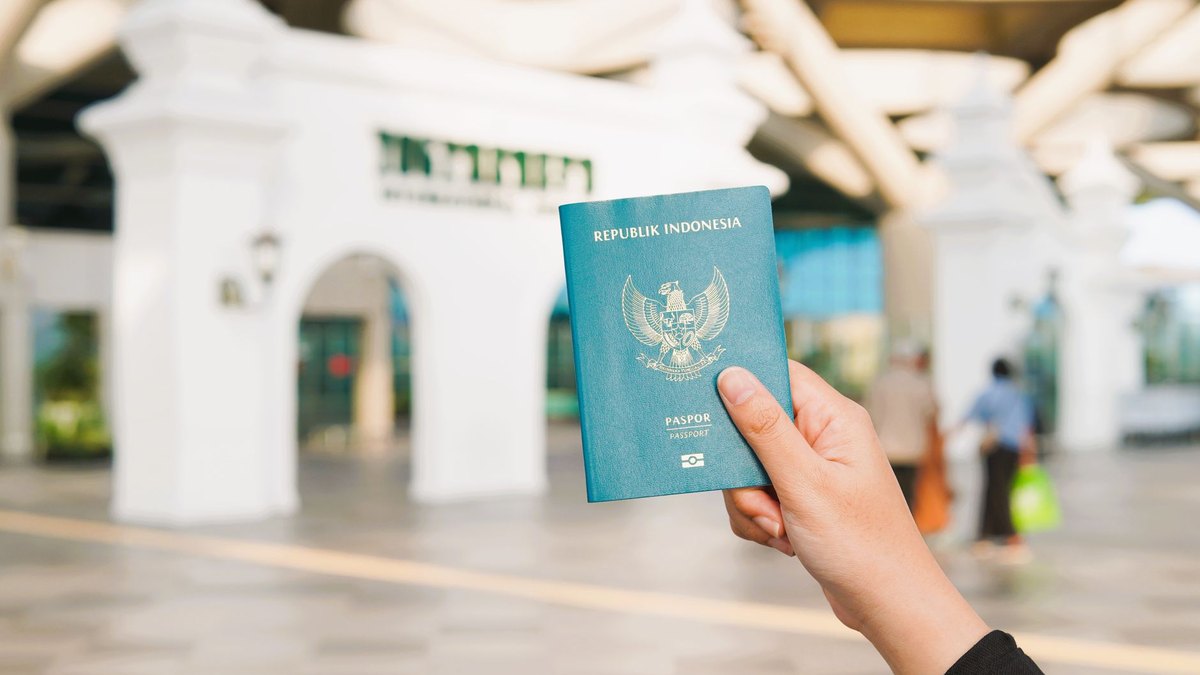
SPUN, a visa startup in Indonesia, sells more than 400 visas for 95+ countries. It has raised US$1.8M and was named to PhocusWire’s Hot 25 Travel Startups for 2027, published on 9 November 2026. Its CEO Christa Sabathaly co-founded the company with Dilla Anindita in January 2024. Its pitch is that the visa is the first step of the trip, not a chore after the booking.
Details of the company come from PhocusWire’s Hot 25 profile and a release from SPUN Global’s release.
How it started
The problem is familiar to every traveller who has stalled at a checkout page. Requirements differ by passport, purpose and length of stay, and they change constantly. SPUN’s answer is an AI assistant and form automation, paired with human visa experts and a money-back guarantee.
The lesson Sabathaly cites is that “a visa is never just a form”. Protests, volcanic eruptions and fuel price hikes all tested the business in its first years, according to PhocusWire, while demand kept growing.
What SPUN’s Indonesia visa platform looks like
The operating company is PT Solutopia Untuk Nusantara, and the consumer-facing brand is SPUN Global. The platform supports seven languages. For Indonesia it covers inbound visas from the 30-day Indonesia e-VOA up to a Second Home ITAS of up to five years.
Processing times quoted are one to three working days for the e-VOA and 10 to 14 working days for the C1 single-entry tourist visa. SPUN Global reports more than 20,000 approved applications.
Events are a clear use case. Sabathaly points out that a speaker and an exhibitor at the same conference need different visas, C10 and C11, and that both need documents from the organiser. A delegate who files the wrong one can lose the trip, and the organiser loses the delegate.
The business
SPUN says it is embedded in OTAs and serves 200+ travel agents and organisations. Named partners are Klook, Trip.com, Traveloka and tiket.com. Backers named are Kopital Venture, Iterative, Antler, Genesia Ventures and Spiral Ventures.
Recognition has followed. SPUN was the Asia Pacific Seedup winner of the 2026 Global Startup Pitch, run by WiT, Phocuswright and PhocusWire and judged at Phocuswright Europe in Barcelona. Seedups are under three years old and have raised no more than US$5M. SPUN also received the AirAsia MOVE award, a return flight from anywhere in Asia to The Phocuswright Conference, held 17 to 19 November in Fort Lauderdale.
The funding backdrop is hard. Travel tech startups raised US$2.2B across 302 rounds in the first three quarters of 2026, against US$3.7B in 2025, which Crunchbase News data suggests could be the lowest year since at least 2018. Phocuswright’s Mike Coletta says that outside first rounds, funding is “as tight as it has been in a decade”. A seed-stage company with live OTA integrations stands out in that market.
The next twelve months
SPUN’s 2027 plan runs three engines. Outbound serves Indonesians travelling to 100+ countries. Inbound makes Indonesia easier to visit. Spanvisa offers visa technology for travel companies, bringing the same AI stack to travel businesses so an OTA or agency can offer visa help inside its own booking flow.
The company also plans a Malaysia pilot and a new Southeast Asia office outside Indonesia.
For tourism boards the inbound engine is the one to watch. A board that spends on campaigns to fill an arrivals target loses visitors if the visa step is confusing, and a startup now sits on that step. For MICE organisers, the C10 and C11 split shows where delegate drop-off can start before anyone reaches the venue.
Who to watch at Phocuswright in Fort Lauderdale: SPUN arrives on an AirAsia MOVE flight, and OTAs, airlines and tourism boards looking for visa partners in Southeast Asia will find Sabathaly’s team there.
Key takeaway
We read SPUN as proof that a dull step in the journey can be a business of its own. Hotels, airlines and OTAs that treat visa help as an afterthought hand conversion to someone else, and a partner embedded in the booking flow keeps it. Founders can copy the structure: sell direct to travellers, prove the product there, then license the same stack to the businesses that already own the customer.
Are you a travel startup founder? Pitch your story to TravHQ right now. Pitch it to TravHQ.
Topics in this story
Sesh Seshadri
Editor and Head of Partnerships
Subrahmanian Seshadri (Sesh) is a publishing and travel-content veteran with five decades of experience. As the former Director and General Manager of Lonely Planet India, he played a pivotal role in its entry starting in 2012. His career spans Oxford University Press, Dorling Kindersley and digital content, bringing expertise across travel, publishing, and technology.
More from SeshHave a story Sesh should see? Write to editor@travhq.com.