Between 21 and 27 September 2026, AI agents moved into every stage of the trip: the border in Bangkok, the booking screen at Agoda in Singapore, and the front desk of franchise hotels in the US.
Five stories from the week set the agenda for OTAs, hotels, airlines and tourism boards this quarter. Each comes with a number, and each comes with a decision attached.
1. Agoda AI assistant: 6 million stays in one chat
Agoda opened a limited beta of its AI Assistant to a select group of mobile app users, with the announcement made from Singapore on 25 September. Every app user gets it over the next few months. Trips are planned against live stock of more than 6 million places to stay, 130,000 flight routes and 300,000 activities. OpenAI’s GPT-5.6 powers the assistant, and Google Gemini’s Grounding with Google Maps handles the harder itineraries. Why it matters: the idea and the booking now sit in the same chat inside the OTA’s app, and whoever owns the inventory keeps the traveller.
2. Dextr AI: US$6.7 million for hotel agents
Hospitality start-up Dextr AI closed a US$6.7 million seed round, about Rs 64.2 crore, led by Elevation Capital alongside Foundation Capital. Sajid Shariff and Scott Arnold started the company in 2025, and it works across India and the US. Each agent has a named job. Daisy books rooms by voice in more than 90 languages, Alfred answers guest requests, Manny builds staff rosters and Cosmo drives direct bookings and marketing. A team of roughly 20 people handles more than 1 million interactions every month. Hundreds of properties in the US, Canada, UK and Europe use the product, among them Hilton, Wyndham, Best Western and IHG franchises. Why it matters: the new money pays for expansion into India and other markets, so Indian hoteliers will soon hear the pitch that US franchise owners have already bought.
3. Thailand: 580,000 users before launch day
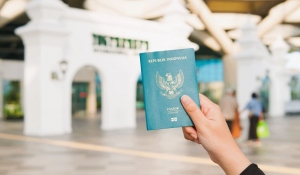
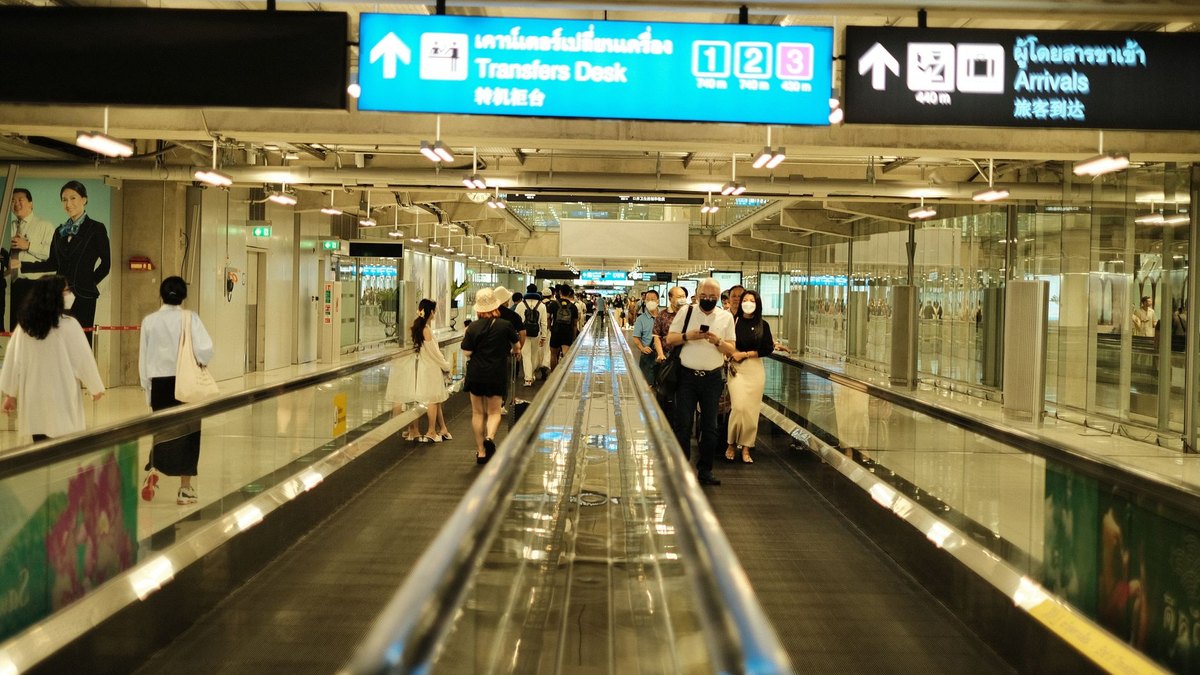
Thailand’s Immigration Bureau launched the THIM app formally on 25 September, though travellers have been able to download it since 1 August. By launch day it had passed 600,000 downloads and 580,000 users, or 97.2% of downloads. For now the app holds the Thailand Digital Arrival Card. Queue booking, certificates of stay, visa extensions, 90-day reporting and visa on arrival are on the roadmap. Grab (Thailand), Minor International, True Corporation and Bangkok Dusit Medical Services signed on as launch partners. Why it matters: arrival data now lives in a state app that sits beside a hotel group, a ride-hailing firm and a hospital network, so the trip begins with the government before any OTA sees the traveller.
4. Japan: US$343.1 billion behind a new partnership
WTTC, the Japan Association of Travel Agents (JATA) and Tourism Expo Japan have joined forces, Hotel News Resource reported. The numbers behind the deal are large. Travel and tourism added US$343.1 billion to Japan’s economy in 2025, or 8.1% of GDP, the fifth biggest total in the world. Foreign visitors spent US$63.3 billion, seventh globally, 8.8% more than a year earlier and 74.9% above 2019. Why it matters: inbound spend in Japan is running three-quarters ahead of its pre-pandemic level, and APAC distribution and marketing budgets tend to follow that kind of curve.
5. Skift Global Forum: “one continuous conversation”
Skift Global Forum 2026 took place at North Javits Center in New York from 22 to 24 September. On stage, Bret Taylor, founder of Sierra and chairman of OpenAI, argued that AI can carry the entire guest relationship as “one continuous conversation”, Skift reported. His warning to the room: “Shipping your org chart should never, ever, ever happen in the world of AI.” The same week, Skift reported a Washington WARN notice from Expedia covering 58 job cuts, 18 of them in data science and machine learning, taking effect between 21 November and 1 December. Why it matters: a traveller passed from a booking bot to a changes bot to a loyalty bot is walking through the company’s org chart, and Taylor told the industry to stop building it that way.
Key takeaway
AI agents in travel stopped being a chat widget this week and became the working layer of the trip, from Thai border entry to Agoda’s planner to the Dextr AI front desk. For every OTA, hotel, airline and tourism board, the question this quarter is who owns that single conversation with the traveller, and whose data feeds it. Our advice: map every point where a guest meets a separate system today, then fold those points into one.