Singapore’s Pacific Arena moves four divisions onto Amadeus
Pacific Arena will retire its separate GDSs and run corporate, leisure, cruise and MICE on one Amadeus platform, with Robotics automating queues.

4 min read
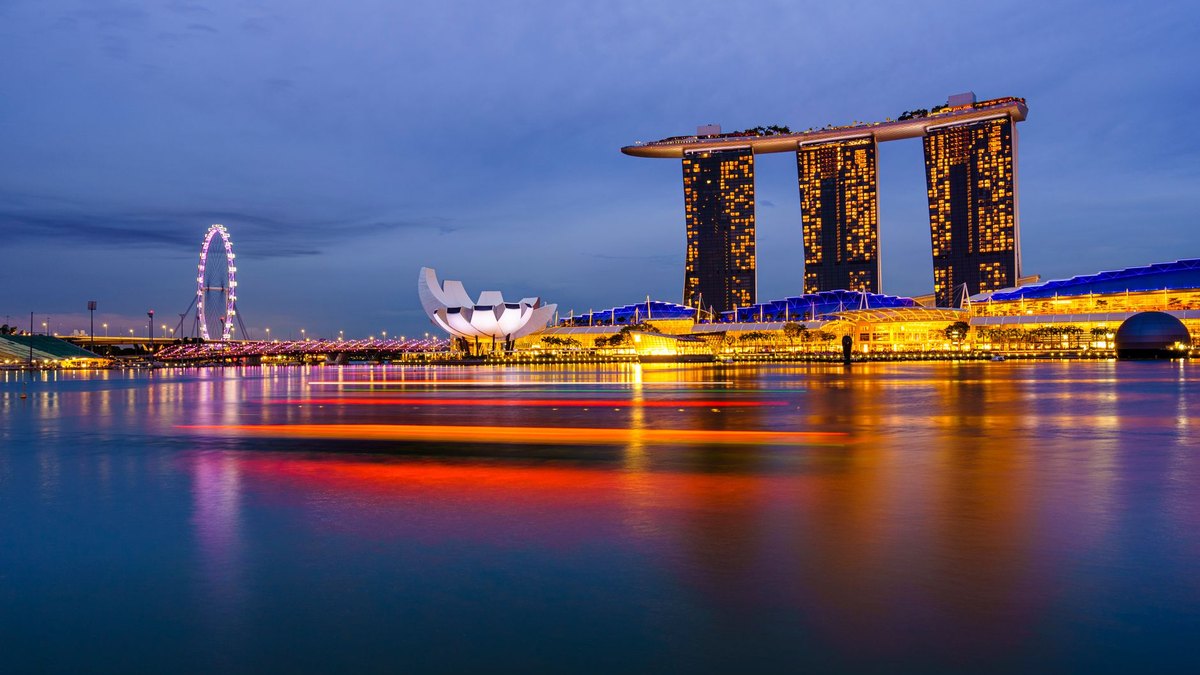
Pacific Arena, the Singapore travel group, will move off its existing global distribution systems and run its operations on a single Amadeus platform, TTG Asia reported on 19 October 2026. Four parts of the business are covered: corporate, leisure, cruise and MICE.
The Centre for Aviation reported the selection on 14 October, five days earlier, and called Amadeus the group’s primary booking technology. That wording points to a replacement of the old setup, not a new system sitting beside it.
What the platform brings
Agents get air, hotel, rail, cruise and destination-experience content through one interface. For a group selling across four divisions, that ends the routine of opening one system for flights, another for rooms and a third for ships, then stitching the records together afterwards.
Pacific Arena lists four aims for the change:
- better agent productivity
- faster booking and servicing turnaround
- no duplicated workflows
- better business-performance data for management
The fourth aim is the one that tends to decide whether a migration pays back. A group on several GDSs keeps its sales data in several places, so a corporate desk and a leisure desk can serve the same traveller and still count them separately. One platform puts those records side by side, and management can compare divisions on the same footing.
The automation layer
Consolidation is half of the case for agencies in the region. The other half is what runs on top. Amadeus describes its Amadeus Robotics suite as a set of off-the-shelf and custom cloud-based applications that take over agents’ work on queues, PNR quality checks, and ticketing and post-ticketing.
Amadeus says the tools cut costly human errors, including airline debit memos (ADMs), and let ticketing happen outside working hours. An ADM is a charge an airline raises against an agency for a booking or ticketing mistake, so an agency finance head will test that claim first. A queue cleared overnight is also a service that no longer depends on who is sitting at a desk.
Set beside Pacific Arena’s own aims, the fit is plain. Faster servicing, fewer repeated steps and less manual rework are exactly the jobs that queue handling, quality checks and ticketing automation are built to do.
Who it hits
Travel management companies and DMCs. Any agency group that grew by acquisition probably carries more than one distribution system. Each brand keeps the contract, the training and the workflows it arrived with. Pacific Arena has chosen to end that for all four of its divisions at once, not one brand at a time, and that gives other groups a working example to measure against.
Hotels. Hotel content sits on the same platform as air, rail and cruise. When a large agency group consolidates, fewer systems carry a hotel’s rates and inventory. Rate parity and content quality on the surviving system then matter more, because more of that agency’s volume passes through it.
Airlines. Automated ticketing and post-ticketing changes how and when agency transactions reach an airline. Fewer manual errors should mean fewer ADMs, which saves revenue accounting teams the time they now spend disputing them.
Online travel agencies. OTAs compete with these groups for corporate and MICE business, and speed has long been their selling point. A traditional agency serving those segments from one interface, with automated servicing behind it, narrows that gap.
What came before
Until now Pacific Arena ran on several global distribution systems, the plural TTG Asia uses. Duplicated workflows are on the group’s list of problems, which means the same task was being done more than once in different systems. Any multi-GDS agency can size that cost today by counting how many screens an agent touches to finish one trip.
Who to watch
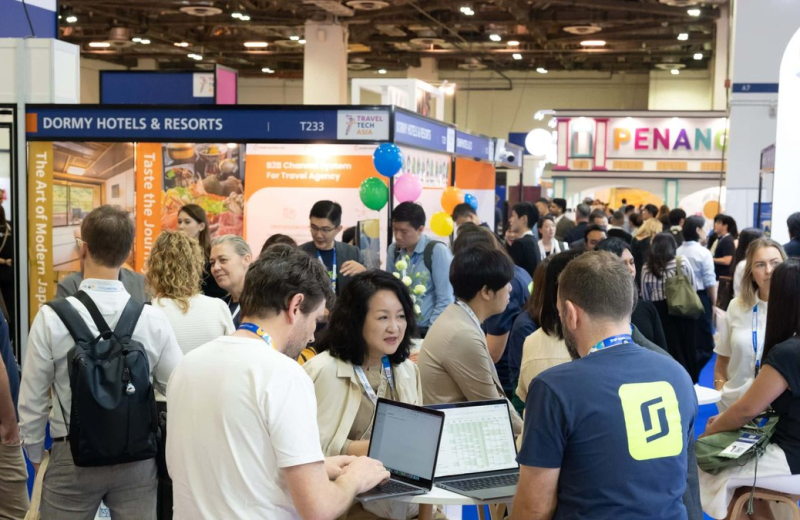
Amadeus and Pacific Arena executives are likely to be at ITB Asia and Travel Tech Asia in Singapore from 21 to 23 October. Cheryl Chung and Ramona Bohwongpersert are the names to look for there, and the event is the place to ask how the migration is being phased across the four divisions.
Key takeaway
Agency groups running more than one GDS should audit how many systems each booking touches and what the duplicated work costs, because Pacific Arena has now made that case in public. Hotel and airline distribution teams should test that their content and ticketing processes run cleanly on the Amadeus platform, since more agency volume may route through it. Groups with a single, stable setup and no duplication can wait and watch how the migration performs.
Topics in this story
Daksh Sharma
Chief Editor, TravHQ
Daksh Sharma is a travel tech enthusiast and a prolific voice in the B2B travel industry. A speaker at numerous travel-tech events, he is at the forefront of digital and AI adoption in travel. He conducts AI training and implementation programmes and works as a digital advisor to a number of global B2B brands.
More from DakshHave a story Daksh should see? Write to editor@travhq.com.
The TravHQ newsletter
Know what moves travel.
We write regularly for the people who build, fund and run travel.
- The stories we follow, as they develop
- Travel-tech funding rounds and event coverage
- Free long-form reports as they publish
You are subscribed to the TravHQ newsletter.